France has five wineries in the world’s top 100. The best of them is 45th.
Judge a wine estate on the visit rather than the auction room and the map tilts south and west: a family garden outside Santiago takes N° 1, a Victorian house in Colorado comes second, and Bordeaux waits behind forty-four doors.
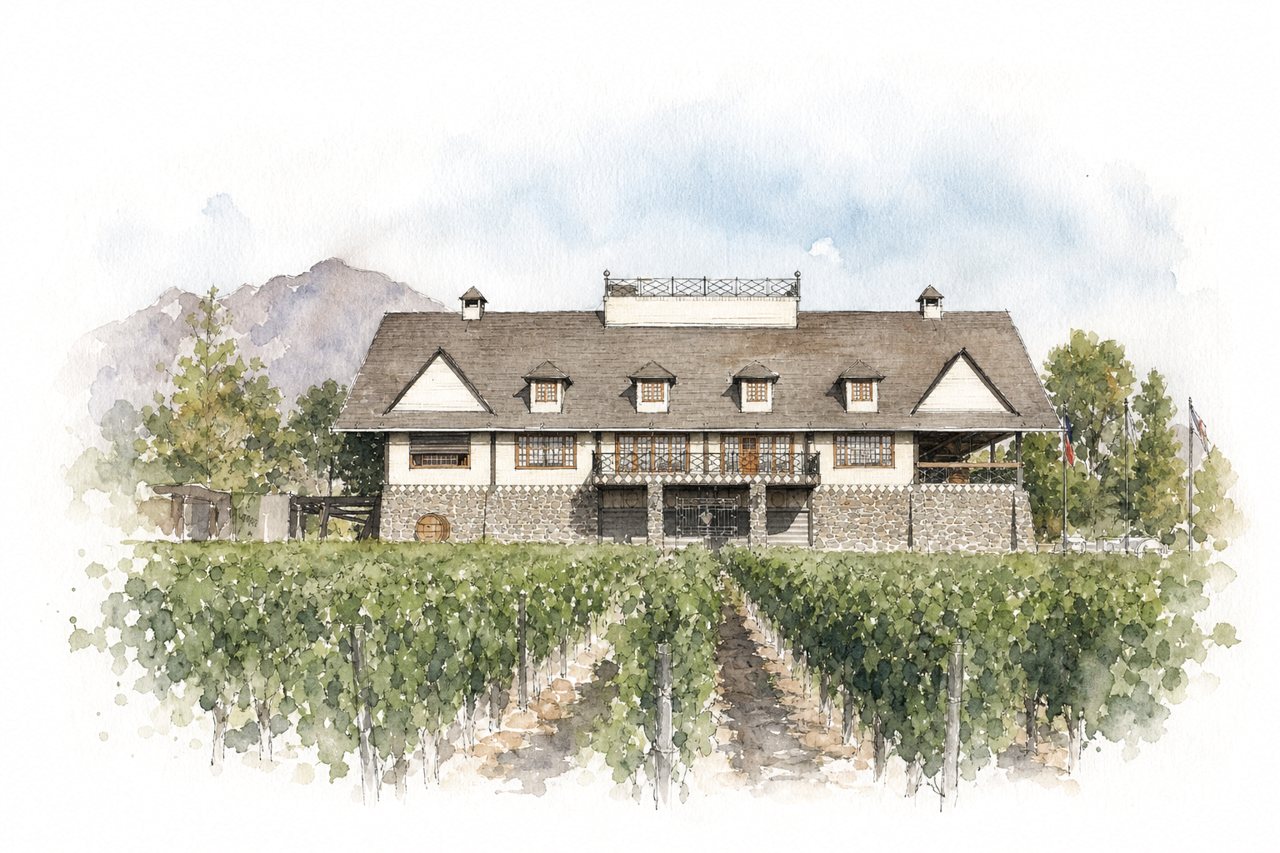 N° 1 · Wineries
Alyan Family Wines, Pirque
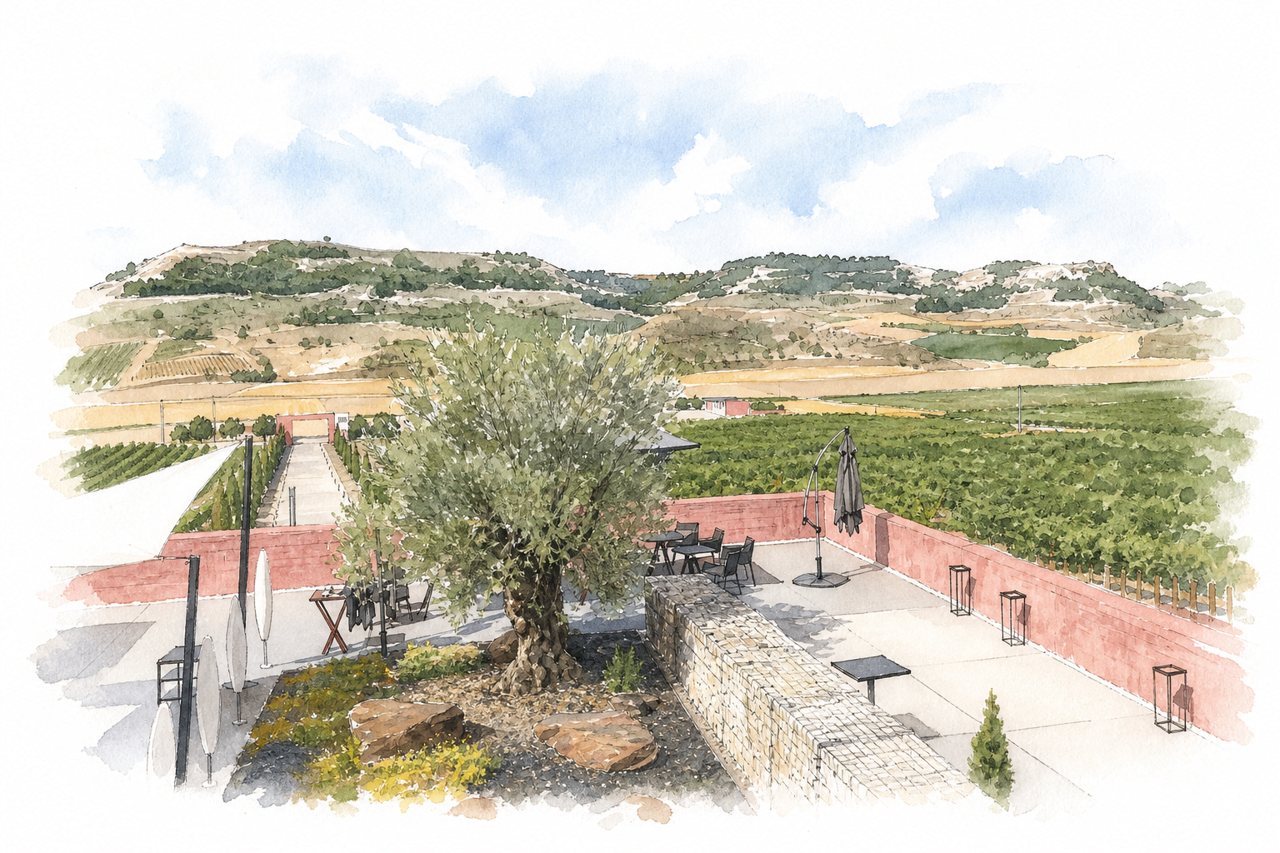 N° 3 · Wineries
Pago de Carraovejas, Peñafiel
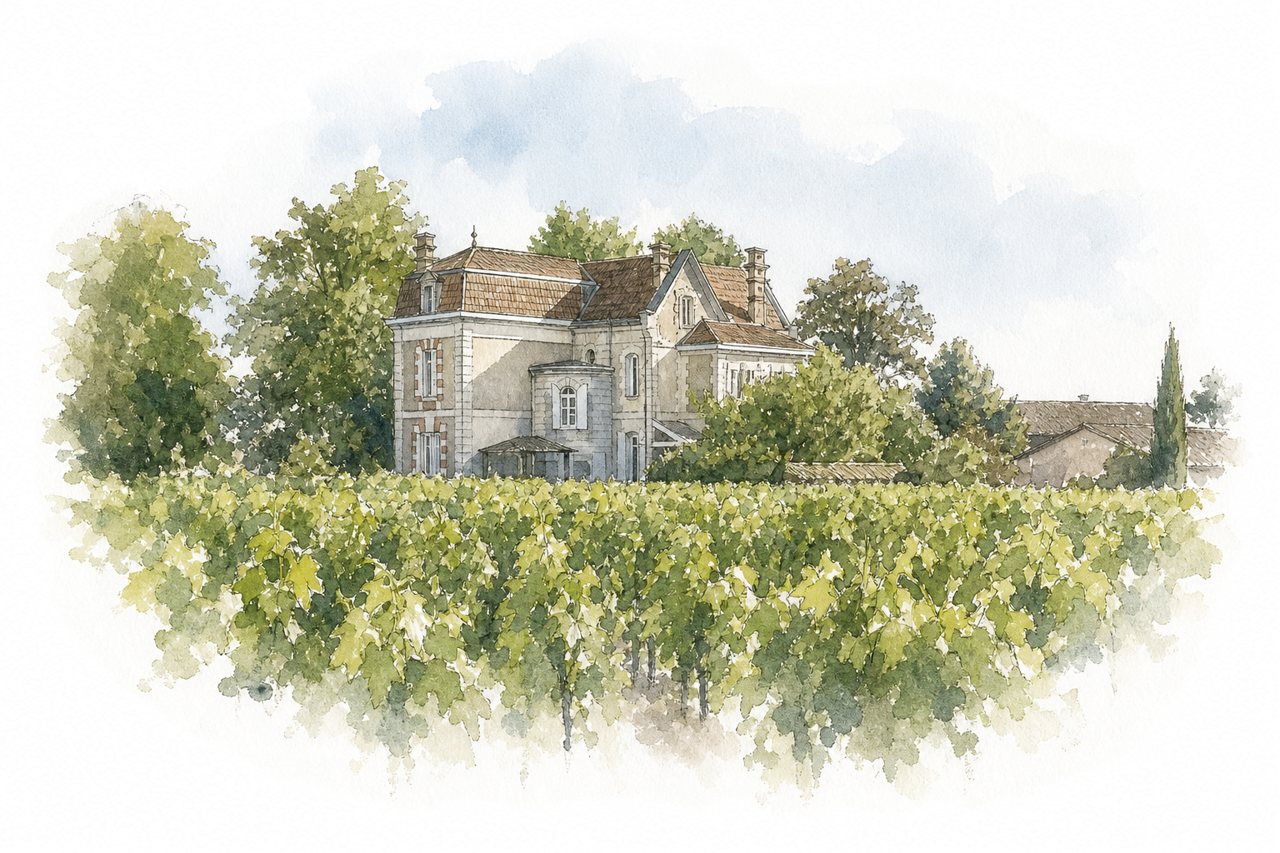 N° 45 · Wineries
Château Cantenac, Saint-Émilion
France holds five places on The World’s 100 Best Wineries 2026, and none of them is in the first forty. First-growth Château Margaux, in the Médoc commune that carries its name, enters at N° 78. Château d’Yquem in Sauternes sits at N° 68. Maison Ruinart in Reims, founded in 1729 above its chalk crayères, comes in at N° 47. The highest-ranked French address on the entire list is Château Cantenac at N° 45: a nineteen-hectare family property on the Route de Castillon in Saint-Émilion, now in its third and fourth generations, where you book by email, walk the vines and barrel hall with the people who run the place, and taste three or four Merlot-led reds starting at €9.
That single contrast explains what happens when wine estates are ranked as places to travel to rather than labels in an auction catalogue. Eligibility on our list requires two things at once: the house makes or ages its wine on the site, and ordinary visitors can book a tour, a tasting or a meal there. An estate that sells grand vin to merchants while keeping its iron gates shut to travellers is a great producer, not a destination. Once every cellar door on earth is measured on the afternoon a guest actually spends inside it, the map tilts south and west.
A garden in Pirque and a Victorian house off I-70
Number one in the world is Alyan Family Wines in Pirque, twenty-eight kilometres south of Santiago in Chile’s Maipo Valley. Nothing about the visit resembles a fifteen-minute counter pour. A booking runs three to four hours: six wines across Chardonnay, Carménère and Cabernet Sauvignon, a walk through the barrel cellar, late sun on the terrace looking across the vines toward the Andes, and dinner before you leave. You cannot buy the bottles in a wine shop at home; the family sells its production only at the winery.
Number two is an even sharper break from the old hierarchy. Varaison Vineyards & Winery sits at 405 West First Street in Palisade, Colorado, in a century-old Victorian house beside Interstate 70. It is one of twenty-two American wineries on the list, more than any other country holds, and most of them lie well outside Napa’s highway strip. At Varaison the owners and winemakers pour dry wines grown on their own Palisade vines at a seated tasting that lasts an hour and costs nothing, with a cellar tour behind it and wood-fired pizza around an outdoor fire pit on Friday nights.
Where Europe answers back
Europe still holds forty-nine of the hundred places, led not by Bordeaux or Burgundy but by Spain and Italy with thirteen wineries apiece. Both countries have spent the past twenty years treating cellar architecture and the dining table with the same seriousness as the vineyard.
Europe’s N° 1, and N° 3 in the world, is Pago de Carraovejas on the hillside below Peñafiel Castle in Ribera del Duero. A two-to-three-hour visit moves through the plots and gravity-fed cellars before pairing El Anejón and the house reds with small dishes from Ambivium, the estate’s restaurant. North in Rioja, Marqués de Murrieta takes N° 10 inside the nineteenth-century stone complex of Castillo de Ygay outside Logroño, where tours are booked ahead and usually run privately.
Italy’s leader is Antinori nel Chianti Classico at N° 5, cut directly into a Tuscan hillside off the road to Siena at Bargino. Guests ride a shuttle up from the lower car park, descend a spiral staircase into vaults of terracotta and oak, taste Tignanello and Badia a Passignano inside a glass-walled room suspended among the barrels, and finish at the rooftop restaurant planted between rows of Sangiovese.
The southern hemisphere and the old valleys
Below the equator, estates were built from the beginning around visitors driving out for the whole day. Chile places six wineries on the list, including Clos Apalta in Colchagua at N° 18, Viña Concha y Toro back in Pirque at N° 40, and Viña Montes at N° 50. South Africa matches Chile with six, led by Babylonstoren in Simondium at N° 6 (Africa’s N° 1) and Delaire Graff Estate above Stellenbosch at N° 9. Australia places five, headed by Lowe Family Wine Co. in Mudgee at N° 11, and Argentina three, led by Bodega Catena Zapata’s Mayan-inspired pyramid in Luján de Cuyo at N° 12.
And in the oldest wine country of all, Georgia’s lone entry lands in the world’s top fifteen: Vineria Kakheti at N° 15, a family winery in a converted house in Tokhliauri, forty-nine kilometres east of Tbilisi, pouring white, red, rosé and amber qvevri wines on a garden terrace. A famous terroir still gets a traveller to the gate. What happens over the next three hours decides the rank.
Planning
The World’s 100 Best Wineries 2026 names 100 wine estates, Champagne houses, port lodges and sherry bodegas across 23 countries. Most top-ranked estates require advance reservations: Alyan Family Wines, Pago de Carraovejas, Antinori (€75 guided tour) and Château Margaux book weeks ahead online or by email, while Varaison Vineyards in Palisade and the wine lounge at Delaire Graff accommodate seated tastings without weeks of notice.